Traditional Braces in Carson, CA
Crowded teeth, spacing concerns, and bite problems can affect both oral health and smile appearance. At A-Plus Dentistry, we provide traditional braces in Carson, CA, to help patients improve tooth alignment and bite function through personalized orthodontic treatment. Braces are prevalently used to address a variety of orthodontic concerns and may be recommended when precise tooth movement or comprehensive bite correction is needed.
How Traditional Braces Work
Traditional braces utilize brackets and wires to apply controlled pressure, gradually moving teeth into their desired positions. Scheduled adjustment visits allow the orthodontic system to continue guiding teeth according to the planned treatment objectives.
Orthodontic treatment planning is based on factors such as tooth position, bite relationships, jaw development, and overall oral health. A comprehensive evaluation from our Carson, CA dentist helps determine whether traditional braces may be an appropriate treatment option and what outcomes may be achievable.
What Concerns Can Traditional Braces Address?
Traditional braces may be used to address crowded teeth, spacing concerns, overbites, underbites, crossbites, and other alignment-related conditions. Traditional braces may be recommended for certain cases involving significant crowding, bite discrepancies, or complex alignment concerns that require detailed control of tooth movement.
Orthodontic treatment with braces may improve tooth alignment, bite relationships, and overall oral function. Treatment goals vary based on the patient’s needs and may involve correcting crowding, spacing concerns, or bite-related issues such as overbites and underbites.
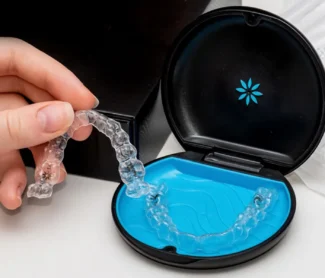
Not every orthodontic concern requires the same treatment approach. A comprehensive evaluation helps determine whether traditional braces, clear aligners, or another orthodontic option may be most appropriate based on the patient’s needs.
Traditional Braces for Children, Teens, and Adults
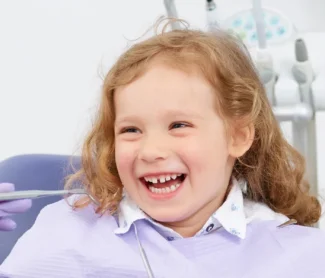
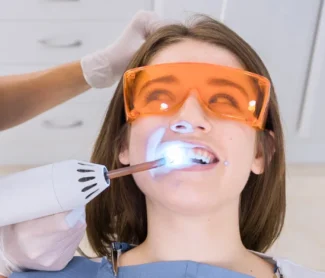
Orthodontic treatment is available for patients of different ages. Children may benefit from early orthodontic evaluations to monitor growth and development, while teenagers and adults may pursue treatment to address alignment or bite concerns.
Adults may also choose metal braces to address alignment concerns, bite issues, or tooth movement that may not have been treated earlier in life. The most appropriate treatment approach is determined through a comprehensive examination and discussion of available options.
What to Expect During Braces Treatment
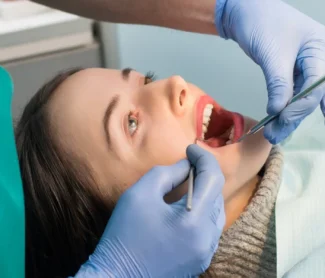
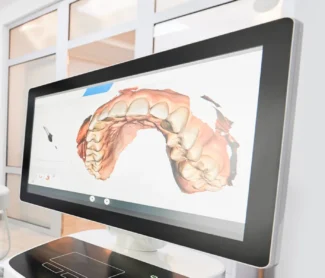
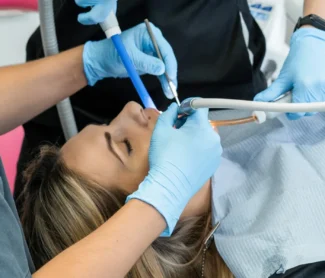
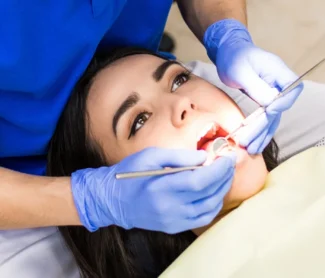
Treatment begins with a detailed examination and diagnostic evaluation. Digital X-rays, an intraoral camera, and an intraoral scanner may be used to assess tooth position, bite relationships, and overall oral health.
Once braces are placed, periodic visits are scheduled to monitor progress and make adjustments as needed. Treatment duration varies relying on the complexity of the case, planned tooth movements, and how consistently treatment recommendations are followed.
Technology That Supports Orthodontic Treatment Planning
Successful orthodontic treatment requires proper planning and ongoing monitoring. Our dental office near you utilizes digital X-rays, an intraoral camera, and an intraoral scanner to support diagnosis, patient education, and treatment planning. These technologies help evaluate tooth position, bite relationships, and treatment progress while supporting individualized orthodontic care.
Patient comfort remains a priority throughout every visit. Free parking, televisions in treatment rooms, blankets, pillows, and support from our multilingual team help create a welcoming experience. Patients from Wilmington, West Carson, and Harbor City appreciate having access to modern technology and flexible financing options when considering orthodontic treatment.
FAQs
Traditional braces employ brackets and wires to apply controlled forces that gradually move teeth according to a personalized orthodontic treatment plan.
Traditional braces are often recommended for a wide range of orthodontic concerns, including certain cases that involve more complex tooth movement or bite correction.
Braces may be used to address crowded teeth, spacing concerns, overbites, underbites, crossbites, and other alignment-related conditions.
Traditional braces may be used as part of treatment plans designed to address overbites and other bite-related concerns, depending on the individual’s orthodontic needs.
Both treatments have advantages depending on the patient’s orthodontic needs, treatment goals, and case complexity. A consultation can help determine which option may be appropriate.
Yes. Many adults choose orthodontic treatment to improve tooth alignment, bite function, and overall oral health.
Orthodontic treatment may be appropriate for children, teenagers, and adults. The ideal timing depends on oral development, alignment concerns, and treatment objectives.
Patients may experience temporary soreness or pressure following adjustments or placement. Individual experiences vary throughout treatment.
Treatment timelines differ based on the complexity of the case, planned tooth movements, and individual treatment goals.
Traditional braces may be used to address a wide range of alignment and bite concerns while allowing for controlled tooth movement throughout treatment.
Treatment costs vary depending on treatment complexity, duration, and insurance benefits. A personalized estimate is typically provided during the consultation process.
Patients experiencing crowded teeth, spacing concerns, bite problems, or changes in tooth alignment may benefit from an orthodontic evaluation to determine whether braces may be appropriate.
Explore Your Braces Treatment Options
Schedule a consultation at our office to learn whether traditional braces may be appropriate for your needs. A personalized evaluation can help determine the most suitable treatment approach for improving tooth alignment, bite function, and long-term oral health.