TMJ Treatment in Carson, CA
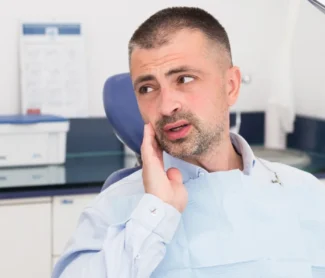
Jaw discomfort, popping noises, trouble with chewing, headaches, and facial discomfort can sometimes be linked to problems involving the temporomandibular joints (TMJ). At A-Plus Dentistry, we provide TMJ treatment in Carson, CA, for patients experiencing symptoms related to jaw joint dysfunction and bite-related concerns. TMJ disorders can affect jaw function and may contribute to discomfort during activities such as chewing, speaking, and opening or closing the mouth. Recommendations for treatment are founded on a comprehensive assessment of symptoms, jaw function, bite alignment, and overall oral health.
Understanding TMJ Disorders
The temporomandibular joints link the lower jaw to the skull and permit the jaw to move during speaking, chewing, and other daily activities. When these joints or the surrounding muscles become strained or dysfunctional, symptoms may develop that affect comfort and jaw function.
Common symptoms may include jaw pain, tenderness near the ears, clicking or popping sounds, limited jaw movement, headaches, facial soreness, or difficulty opening and closing the mouth comfortably. Clicking or popping sounds in the jaw can indicate TMJ disorders and should be assessed if there’s pain, limited movement, or changes in function. Symptoms vary in severity and may impact comfort and daily activities.
What Can Contribute to TMJ Symptoms?
TMJ disorders may develop for a variety of reasons. Teeth grinding, jaw clenching, bite imbalances, stress-related muscle tension, arthritis, injury, and certain joint conditions may contribute to TMJ-related symptoms.
Because multiple factors can affect the temporomandibular joints, an accurate diagnosis is important before treatment begins. Identifying contributing factors helps determine the most appropriate treatment approach for managing symptoms and improving jaw function.
Treatment Options for Jaw Pain and Dysfunction
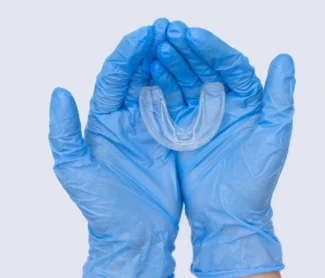
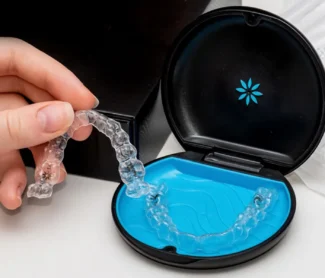
Treatment recommendations vary relying on the severity of symptoms and the contributing factors involved. Initial treatment often focuses on conservative approaches such as custom oral appliances, bite-related therapies, lifestyle modifications, and strategies aimed at reducing stress on the jaw joints and surrounding muscles.
For some patients, oral appliances may help reduce the effects of nighttime teeth grinding and clenching. Treatment plans are tailored to each patient’s symptoms, examination findings, and long-term oral health needs. Early evaluation may help stop symptoms from becoming more severe over time.
Personalized Care Supported by Modern Technology
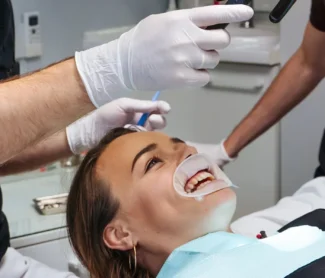
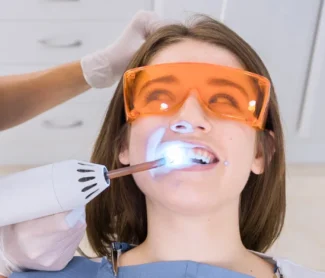
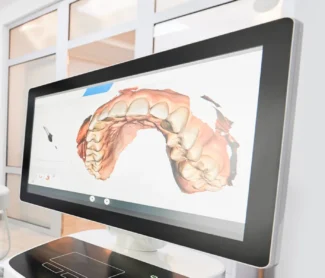
Accurate diagnosis plays an important role in evaluating TMJ concerns. Our office utilizes digital X-rays, an intraoral camera, and an intraoral scanner to support diagnosis, patient education, and treatment planning. These technologies support TMJ evaluation and treatment planning by helping identify bite-related concerns and other factors that may contribute to jaw dysfunction.
Patient comfort remains a priority throughout every visit. Free parking, televisions in treatment rooms, blankets, pillows, and support from our multilingual team help create a welcoming experience. Patients from West Carson, Harbor City, and Torrance appreciate having access to modern technology and personalized care designed around their individual treatment needs.
FAQs
TMJ disorder refers to conditions impacting the temporomandibular joints, surrounding muscles, and structures that help control jaw movement.
Symptoms may include jaw pain, headaches, clicking or popping sounds, facial soreness, ear discomfort, and difficulty chewing or opening the mouth.
TMJ disorders may be associated with jaw clenching, teeth grinding, bite-related concerns, injury, arthritis, muscle tension, or other factors affecting the jaw joints.
Yes. Chronic grinding or clenching can place additional stress on the jaw joints and muscles, potentially contributing to TMJ-related symptoms.
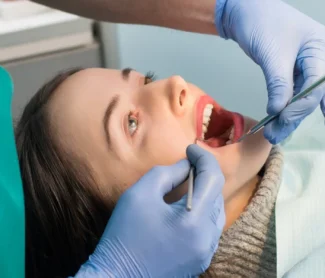
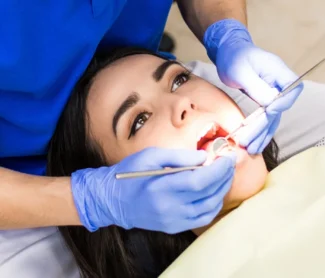
Diagnosis typically involves reviewing symptoms, examining jaw movement and bite alignment, and evaluating the joints and surrounding structures.
Treatment options may include oral appliances, bite-related therapies, lifestyle modifications, and other approaches based on the cause and severity of symptoms.
In certain cases, a personalized oral device might assist in reducing the impact of grinding and clenching that lead to discomfort associated with TMJ.
Treatment costs vary depending on the type of treatment recommended, the complexity of the condition, and insurance benefits. A personalized treatment estimate is typically provided following an evaluation.
If you’re looking for a TMJ dentist near you, choose a dental provider who evaluates jaw joint function, bite-related concerns, teeth grinding, and other factors that may contribute to TMJ symptoms.
Find Relief From Jaw Discomfort
Schedule an evaluation at our office if you are experiencing jaw pain, clicking, headaches, or other symptoms affecting jaw function. A thorough check-up can help identify contributing factors and determine the appropriate treatment approach for your needs.