Restorative Dentistry in Carson, CA
Damaged, weakened, or missing teeth can affect oral health, comfort, and daily function. At A-Plus Dentistry, we provide restorative dentistry in Carson, CA, to help restore the strength, function, and appearance of teeth affected by decay, injury, wear, or tooth loss. Restorative dental care focuses on rebuilding damaged or missing teeth to help restore chewing function, oral health, and overall comfort.
What is Restorative Dentistry?
Restorative dentistry includes treatments designed to repair damaged teeth or replace missing teeth. Depending on the patient’s needs, treatment may involve dental fillings, crowns, bridges, dental implants, root canal therapy, or other restorative procedures.
Treatment planning aims to preserve healthy tooth structure whenever possible while restoring strength, function, and stability to the affected teeth. Restorative treatment may help improve chewing ability, salvage remaining tooth structure, and minimize the risk of additional complications associated with untreated dental damage or tooth loss.
Restoring Damaged or Weakened Teeth
Teeth may become damaged due to decay, fractures, wear, or trauma. In certain cases, a filling might be all that is needed to repair a tooth, whereas more serious damage could necessitate a crown or alternative restorative procedure. Teeth with fractures, considerable wear, or severe decay may need restorative care to enhance their durability and maintain regular oral function. Recommendations for treatment differ based on the level of damage and the tooth’s overall health.
Early evaluation and treatment of damaged or missing teeth can help prevent further oral health issues and preserve more treatment options. If you’re looking for a restorative dentist near you in Carson, CA, our team provides personalized care to restore your smile and oral function.
Options for Replacing Missing Teeth
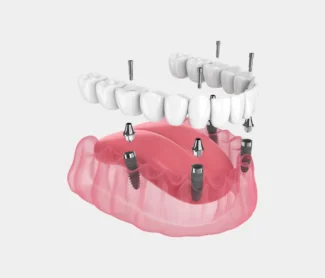
Missing teeth can affect chewing ability, bite function, and overall oral health. Several restorative options may be considered depending on the number of missing teeth, bone support, oral health status, and treatment goals.
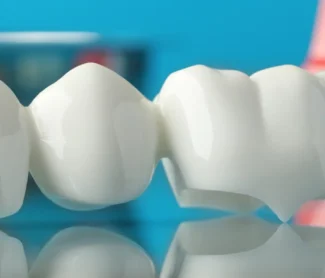
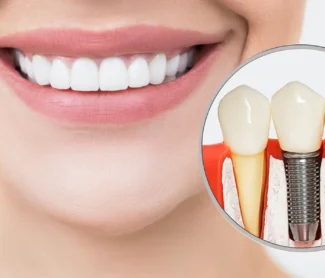
Treatment options may include dental bridges, dental implants, or other tooth replacement solutions. A personalized evaluation helps determine which restorative approach may be appropriate for each patient’s needs.
Replacing missing teeth may help maintain bite stability and reduce changes in tooth position that can occur when gaps remain untreated.
Restorative Care Following Root Canal Treatment
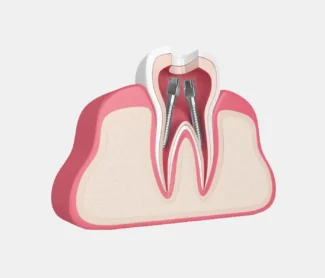
Following root canal therapy, a tooth may require additional restoration to help protect its structure and function. Depending on the condition of the tooth, a dental crown or another restorative treatment may be recommended.
Following root canal treatment, restorative care helps strengthen the remaining tooth structure and improve its ability to withstand normal chewing forces. Treatment recommendations are based on the amount of remaining tooth structure and overall oral health findings.
Technology That Supports Restorative Treatment Planning
Successful restorative treatment begins with accurate diagnosis and personalized care. Our dentist near you utilizes digital X-rays, an intraoral camera, and an intraoral scanner to support diagnosis, patient education, and treatment planning. These technologies help evaluate tooth structure, existing restorations, bone support, and other clinical findings that may influence restorative treatment recommendations.
Patient comfort remains a priority throughout every visit. Free parking, televisions in treatment rooms, blankets, pillows, and support from our multilingual team help create a welcoming experience. Patients from Harbor Gateway, Wilmington, and Torrance appreciate having access to modern technology and flexible financing options when seeking restorative dental care.
FAQs
Treatment options vary relying on the condition of the tooth and may include fillings, crowns, root canal therapy, or other restorative procedures.
Depending on individual needs, treatment options may include dental bridges, dental implants, or other restorative solutions designed to replace missing teeth.
Yes. Restorative treatment may be recommended to address worn teeth and help improve function, strength, and protection against further damage.
A comprehensive evaluation helps determine whether the tooth can be restored with treatments such as a crown or whether another restorative option may be more appropriate.
Restorative treatment may help improve chewing function, protect remaining tooth structure, and address concerns caused by damaged or missing teeth.
No. Restorative dentistry primarily concentrates on repairing or replacing teeth to restore function and oral health, while cosmetic dentistry is generally focused on improving appearance.
In certain cases, a dental crown may be suggested after root canal treatment to help protect and strengthen the treated tooth.
Treatment options like dental implants and bridges depend on oral health and individual goals.
Treatment costs vary depending on the procedures recommended, the complexity of treatment, and insurance benefits. A personalized estimate is typically provided during the consultation process.
Patients experiencing tooth damage, missing teeth, worn restorations, or difficulty chewing may benefit from a restorative dental evaluation to discuss available treatment options.
Restore Your Smile and Oral Function
Schedule a consultation at our office to learn whether restorative treatment may be appropriate for your needs. A personalized evaluation can help determine the most suitable approach for restoring oral health, tooth function, and long-term comfort.