Dental Bridges in Carson, CA
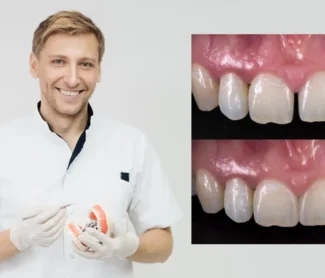
Missing teeth can affect chewing ability, speech, bite function, and overall oral health. At A-Plus Dentistry, we provide dental bridges in Carson, CA, to help replace one or more missing teeth and reinstate the appearance and function of the smile. Dental bridges are custom restorations designed to replace missing teeth by restoring the space within the dental arch and helping maintain normal bite function.
What Are Dental Bridges?
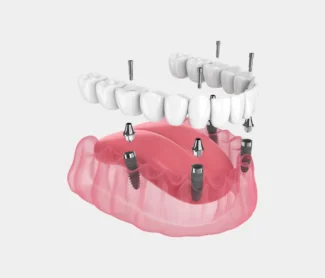
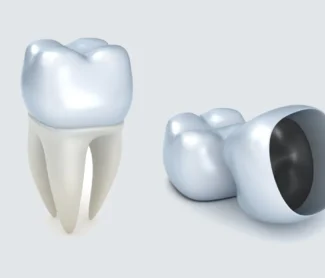
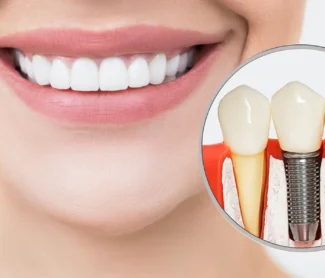
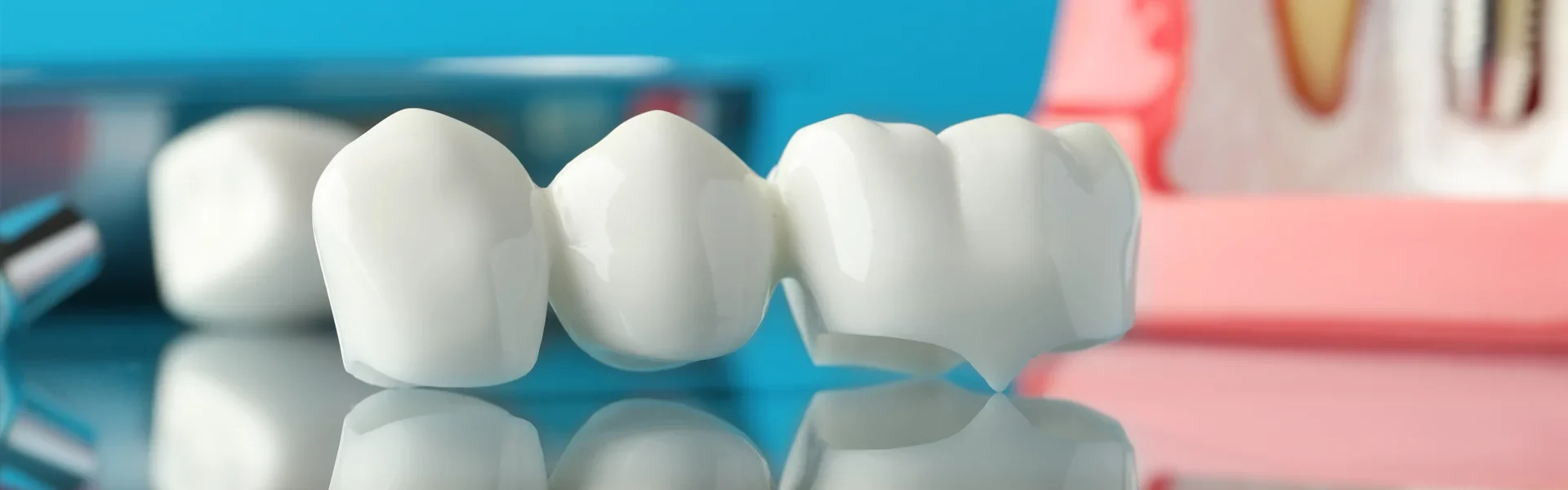
A dental bridge is a fixed restoration employed to replace one or more missing teeth. The bridge consists of an artificial tooth, known as a pontic, that is supported by adjacent teeth or dental implants, depending on the treatment design.
Replacing missing teeth may help restore chewing efficiency and support the alignment of surrounding teeth. A comprehensive evaluation helps determine whether a dental bridge may be an appropriate treatment option.
Types of Dental Bridges
Several types of dental bridges may be used relying on the location of the missing tooth, the condition of adjacent teeth, and overall oral health findings.
Depending on the clinical situation, treatment options may include traditional bridges or implant-supported bridges designed to replace one or more missing teeth. The most appropriate option is determined through a personalized evaluation and treatment planning process.
The American Dental Association notes that replacing missing teeth can help support oral function and overall dental health. Early replacement of missing teeth may help reduce functional challenges and preserve the balance of the surrounding dentition.
Who May Benefit from a Dental Bridge?
Dental bridges may be recommended for patients who have one or more missing teeth and are seeking a fixed tooth replacement option. Treatment recommendations depend on oral health status, bone support, adjacent teeth, and individual treatment goals.
Missing teeth can place extra stress on neighboring teeth and affect your bite over time. Visiting our trusted dentist near you for tooth replacement may help restore a balanced, functional smile.
What to Expect During the Dental Bridge Process
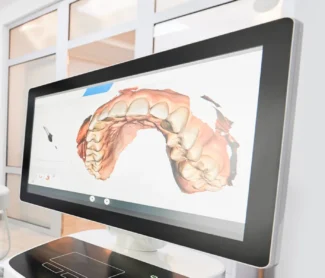
The treatment process varies depending on the type of bridge being placed. In many cases, adjacent teeth are prepared to support the restoration, impressions or digital scans are obtained, and a custom bridge is fabricated.
Once the restoration is ready, it is positioned and adjusted as needed to help ensure proper fit, comfort, and bite function. Treatment timelines vary depending on the restorative needs of the patient and the type of bridge selected.
Technology and Patient-Focused Care
Successful restorative treatment begins with accurate diagnosis and personalized care. Our office utilizes digital X-rays, an intraoral camera, and an intraoral scanner to support diagnosis, patient education, and treatment planning. These technologies provide detailed diagnostic information that supports treatment planning for tooth replacement and restorative care.
Patient comfort remains a priority throughout every visit. Free parking, televisions in treatment rooms, blankets, pillows, and support from our multilingual team help create a welcoming experience. Patients from Long Beach, Harbor City, and West Carson appreciate having access to modern technology and flexible financing options when seeking restorative dental care in Carson, CA.
FAQs
Patients with one or more missing teeth may be candidates for a dental bridge depending on their oral health, treatment goals, and supporting tooth structure.
Dental bridges may help restore chewing ability, improve smile appearance, maintain spacing between teeth, and support overall bite function.
Both options replace missing teeth. A bridge relies on adjacent teeth or implants for support, while a dental implant is placed directly into the jawbone. Treatment recommendations depend on individual clinical findings.
The procedure generally involves evaluating the area, preparing supporting teeth when necessary, obtaining impressions or digital scans, and placing a custom restoration designed to replace missing teeth.
The longevity of a dental bridge varies relying on oral hygiene habits, bite forces, routine dental care, and overall oral health.
Maintaining good oral hygiene, attending regular dental visits, and following professional care recommendations may help support the longevity of a dental bridge.
Daily brushing, flossing, and timely dental visits help maintain the health of supporting teeth and the condition of the bridge.
Treatment costs vary based on the type of bridge, complexity of treatment, and insurance benefits. A personalized estimate is typically provided during the consultation process.
An in-depth assessment can assist in deciding if a dental bridge is a suitable choice, taking into account the number of absent teeth, oral health observations, and treatment objectives.
If you are looking for a provider of dental bridges near you, consider a dental practice that offers restorative dentistry, modern diagnostic technology, and personalized treatment planning. Inquire about the types of dental bridges, tooth replacement options, and long-term maintenance recommendations.
Restore Your Smile After Tooth Loss
Schedule a consultation at our office to learn whether a dental bridge may be appropriate for your needs. A personalized evaluation can help determine the most suitable approach for replacing missing teeth and restoring long-term oral function.