
Category: Uncategorized
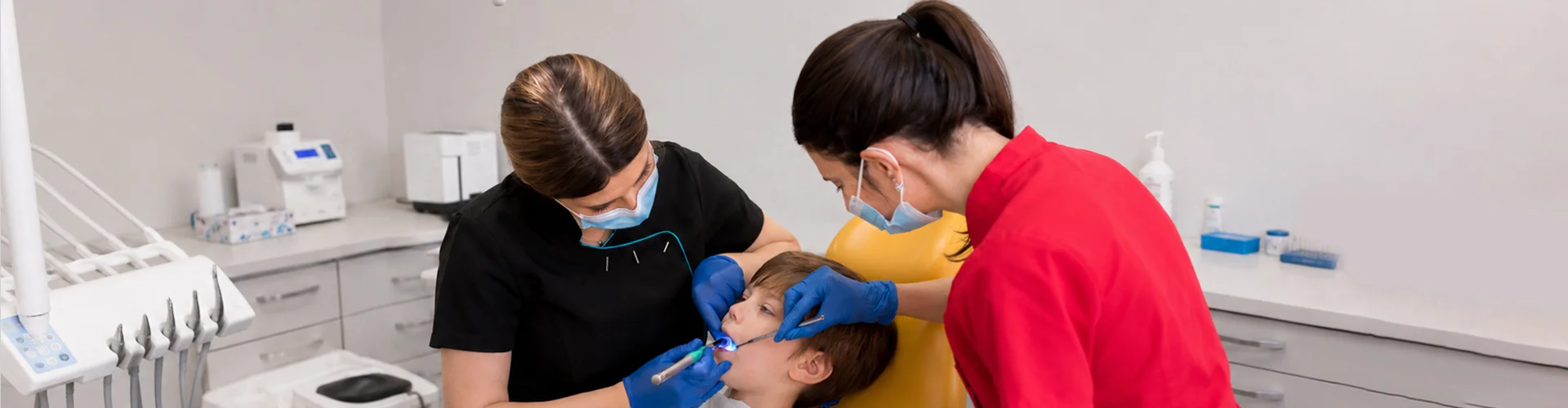
Why Dental Cleanings Are Important – Find Out Here!
Ever forget to schedule a dental cleaning, then end up with a throbbing toothache? Let me tell you, it’s not a fun experience! Taking care of our teeth is just as important as taking care of the rest of our body. After all, a healthy mouth means a healthy you! In this blog post, we’ll be diving into why dental cleanings are important for keeping your smile bright and your body feeling great.
Preventative Care
Imagine tiny crumb monsters hiding in the nooks and crannies of your teeth. These aren’t the cute, fuzzy kind, though! These crumb monsters are bacteria that love to munch on leftover food particles in your mouth. When they feast, they leave behind a sticky film called plaque. Brushing and flossing can fight off these crumb monsters, but sometimes, they leave a stubborn residue behind. That’s where dental cleanings come in like superheroes!
During a cleaning, your dental hygienist (a dental health expert) uses special tools to gently remove plaque and another hard substance called tartar (think of it as super-plaque that brushing can’t budge). By getting rid of these crumb monster leftovers, cleanings help prevent cavities (tiny holes in your teeth) and gum disease (swollen, irritated gums). It’s like giving your teeth a fresh start and kicking those pesky crumb monsters out for good!
Benefits Beyond Oral Health
Brushing and flossing are important, but did you know that healthy gums are just as crucial for your overall health? Believe it or not, there’s a connection between your mouth and the rest of your body. Gum disease, which can start with irritated and inflamed gums, has been linked to serious health problems like heart disease, stroke, and even diabetes.
That’s where regular dental cleanings come in as a powerful defense! By removing plaque and tartar buildup, cleanings help keep your gums healthy and reduce the risk of gum disease. This, in turn, can contribute to better overall health. Think of it as a domino effect – keeping your mouth healthy has a positive ripple effect throughout your body!
Cleanings might not be the most exciting thing on the to-do list, but they’re a fantastic way to invest in your long-term health. Plus, healthy gums don’t just benefit your body, they can also benefit your smile!
Fresh Breath and Confidence
Ever gotten up close and personal with someone and worried about bad breath? Let’s face it, fresh breath is a confidence booster! Dental cleanings aren’t just about keeping your teeth sparkling; they also play a big role in keeping your breath smelling minty-fresh.
Remember those crumb monsters from before? The bacteria they leave behind can cause bad breath. During a cleaning, your hygienist removes this bacteria, along with any leftover food particles that might be stuck between your teeth. This freshens up your mouth and leaves you feeling confident about your smile.
Imagine chatting with friends, giving a presentation at work, or even going on a date – knowing your breath is fresh gives you one less thing to worry about! Plus, a clean mouth just feels good overall. It’s like hitting the refresh button for your smile and your confidence.
Addressing Concerns
Let’s be honest, sometimes dental cleanings can feel a little uncomfortable. The scraping tools, the probing, the occasional zap of the air thingy – it’s not exactly a spa day. But the good news is, there are a few reasons why cleanings might feel a bit unpleasant, and there are ways to minimize the discomfort!
One reason for discomfort is sensitive teeth. Some people naturally have thinner enamel (the hard outer layer of your teeth) or exposed tooth roots, which can make them more sensitive to touch or temperature changes. Additionally, inflamed gums from gum disease can also be tender during a cleaning.
The good news is, your dentist understands! They can use special numbing gels or sprays to make the cleaning more comfortable. They also use gentle tools and techniques to minimize any irritation. Plus, remember, cleanings are a quick procedure, and the short-term discomfort is worth the long-term benefits of a healthy smile!
Bonus Section: How to Take Care of Your Oral Health!
While dental cleanings are important, they’re not a replacement for your daily oral hygiene routine. Think of them as your dental dream team’s special attack, but brushing and flossing are your everyday superpowers! Here’s a quick refresher:
Brushing
Aim for twice a day, for two minutes each time. Use a soft-bristled brush and fluoride toothpaste to gently clean all surfaces of your teeth, including the gumline and your tongue.
Flossing
Flossing reaches those tricky spots between your teeth that your brush can’t. Once a day is ideal to remove plaque and food particles that can build up there.
Conclusion
So, there you have it! Dental cleanings are important and are like superheroes for your smile, preventing cavities, keeping your gums healthy, and even boosting your overall health. Plus, a fresh, clean mouth gives you the confidence to shine bright!
Remember, scheduling regular cleanings (usually twice a year) is key to maintaining a healthy mouth and a happy smile. Don’t wait for a toothache to remind you – take charge of your oral health and book your next cleaning today! Your smile (and your body) will thank you for it!

The Hidden Link: Sleep Apnea and Dental Problems
Did you know that millions of people struggle with a sleep problem that can secretly damage their teeth? It’s called sleep apnea. This condition causes you to stop breathing over and over throughout the night. This messes up your sleep and can lead to some surprising problems for your mouth and teeth.
Let’s learn more about how sleep apnea and dental problems are interconnected and harming your smile without you even knowing it!
Teeth Grinding (Bruxism)
One of the most common links between sleep apnea and oral health is something called bruxism. That’s a fancy word for clenching or grinding your teeth. When you have sleep apnea, your body sometimes tries to open your airway during sleep by clenching your jaw and grinding your teeth. It does this without you even being aware!
The trouble with teeth grinding is it can really wear down your teeth over time. It can also make your teeth way more sensitive, or even cause them to crack or chip. Plus, all that clenching can leave your jaw feeling sore in the morning.
Dry Mouth
Another issue sleep apnea can cause is dry mouth. Normally, we breathe through our noses while we sleep. But with sleep apnea, your blocked airway can force you to breathe through your mouth instead. This leaves your mouth feeling dry and uncomfortable.
Dry mouth might not seem like a big deal, but saliva actually plays a big role in keeping your teeth healthy. A dry mouth means less saliva, which throws off your mouth’s balance. This can lead to more cavities, gum disease, and even bad breath!
TMJ Disorders
Sleep apnea doesn’t just affect the teeth directly. The constant tension and straining in your jaw from trying to breathe all night can cause problems with your TMJ. The TMJ is your temporomandibular joint – it’s the joint that works like a hinge connecting your jaw to your skull.
TMJ disorders can cause a whole lot of discomfort. You might have pain in your jaw, face, or neck. Your jaw might make clicking or popping sounds when you open or close your mouth, or you could have trouble opening your mouth fully. Ouch!
When to See Your Dentist?
If you think you might have sleep apnea, it’s incredibly important to bring this up with your dentist. They are trained to spot subtle signs of sleep apnea that you might not even notice yourself. Here’s what they’ll be looking for:
Worn-down teeth
Excessive grinding can drastically change the shape and size of your teeth.
Gum problems
A dry mouth increases your risk of gum disease (gingivitis and periodontitis), which can show up as receding or inflamed gums.
Jaw issues
Dentists check for signs of strain or dysfunction in your jaw joint (TMJ), which can be a result of sleep apnea.
The great thing about getting your regular checkups at a place like A-Plus Dentistry is that our dentists are committed to whole-body health. They’ll not only look after your teeth but also consider factors like sleep apnea when they see signs of dental problems. Dentists and sleep doctors often work as a team to find the best treatment solutions for sleep apnea, ensuring you get the relief you need for a healthier night’s rest and a protected smile.
Treatment Options
If you’re diagnosed with sleep apnea, there are a few different ways to treat it depending on how severe your sleep apnea is:
CPAP Machine
This is the most common treatment. CPAP stands for Continuous Positive Airway Pressure. You wear a mask while sleeping, and the machine gently blows air into your airway to keep it open.
Oral Appliances
Dentists can create special mouthpieces called oral appliances that help reposition your jaw to improve airflow. These can also be helpful in reducing teeth grinding.
Conclusion
Sleep apnea might seem like it just affects your sleep, but it can have a sneaky impact on your teeth and gums too. From grinding to dry mouth to jaw problems, sleep apnea can cause various issues in your mouth.
The good news is that treating sleep apnea and dental problems goes along and the best way to cure it is with good oral health. If you have loud snoring, daytime tiredness, or have noticed any of the dental problems we talked about, don’t ignore it! Talk to your doctor or a sleep specialist to see if sleep apnea might be the reason. Getting the right diagnosis and treatment can make a world of difference – for your restful sleep and for your beautiful smile!

How Much Does a Dental Crown Cost? Complete Guide!
Picture this: you bite into something crunchy, and a sharp pain shoots through your tooth. Or maybe you’ve noticed a persistent ache that just won’t go away. Chances are, you might need a dental crown.
The cost of a dental crown can understandably be a concern. It’s true that prices can vary, but don’t worry! This guide will give you a clear understanding of how much dental crowns cost and what influences those costs.
What are Dental Crowns?
Dental crowns are like little caps for your teeth. They restore a tooth’s strength, shape, and appearance when it’s damaged. Ignoring a damaged tooth isn’t an option—it can lead to more pain, serious problems, and even tooth loss.
Types of Dental Crowns and Their Costs
Dental crowns come in different materials, each with its own advantages and price tag. Let’s break down the most common types:
Porcelain-fused-to-metal (PFM)
These crowns offer a good balance of strength, durability, and affordability. They have a metal base covered in tooth-colored porcelain.
Cost: Typically range from $500 to $1,500 per crown.
All-Ceramic or All-Porcelain
These crowns are the top choice for those wanting the most natural-looking results. They’re ideal for front teeth where appearance is key.
Cost: Generally range from $800 to $3,000 per crown.
Gold Crowns
These are known for their exceptional strength and durability. They also require less of your natural tooth to be removed during preparation.
Cost: Can range from $600 to $2,500 per crown.
Zirconia
Zirconia crowns combine the strength of metal with the natural aesthetics of ceramic. They’re gaining popularity as a long-lasting and attractive option.
Cost: Pricing for zirconia crowns is often similar to all-ceramic crowns.
Factors Affecting Crown Cost Beyond Material
While the type of material is a major factor in the price of your dental crown, other things play a role too. Here’s what else can impact the cost:
Dentist’s Experience
Dentists who have specialized training and years of experience in placing crowns may charge more for their expertise. Think of them as master artists for restoring smiles!
Location
Dental costs, crowns included, tend to be higher in bigger cities or areas with a higher cost of living.
Additional Procedures
If you need a root canal or other treatments before getting a crown, that will add to the overall cost of your care.
Lab Fees
Dental labs are where the crowns are made. The quality of the lab and the materials they use can influence the price tag. It’s like the difference between getting a tailored suit versus an off-the-rack one.
Does Dental Insurance Cover Crowns?
Thankfully, most dental insurance plans offer some coverage for dental crowns. However, the level of coverage can vary quite a bit. Here’s what you need to know:
Typical Coverage
Many plans cover around 50% of the cost of major dental work, which includes crowns. The catch is they usually have an annual maximum, which is the most they’ll pay out in a year.
Waiting Period
Some plans have a waiting period before you can get coverage for crowns – it could be months or even a years after you purchase the insurance.
Plan Variations
Every dental insurance plan is different. Some may only cover basic crowns, while others provide more extensive coverage depending on your plan’s details.
Is the Cost of a Dental Crown Worth It?
When faced with the cost of a dental crown, it’s natural to consider whether it’s truly worth the investment. The short answer is: absolutely! Here’s why:
Preserving Your Smile
A dental crown not only fixes the damaged tooth, but it saves your smile from further deteriorating. That’s a win for both your health and your confidence!
Preventing Future Costs
Putting off a dental crown can lead to more extensive (and expensive) problems down the road. Possible complications include infections, further tooth decay, or even needing to remove the tooth entirely.
Long-Term Value
With proper care, a dental crown can last for many years. It’s an investment in your oral health that pays dividends well into the future.
Tips for Minimizing Dental Crown Costs
The cost of a dental crown doesn’t have to break the bank. Here are some ways to make it more affordable:
Prevention is Key
The best way to reduce your risk of needing crowns is excellent oral hygiene. Brush twice a day, floss regularly, and keep up with your dental checkups!
Shop Around
Don’t hesitate to get price quotes from different dentists in your area. Prices can vary, so it’s worth comparing.
Consider Dental Schools
Dental schools often offer reduced-cost services, with procedures performed by students under the supervision of experienced dentists.
Dental Discount Plans
These plans offer savings on a range of dental procedures, including crowns. They often have a monthly or annual fee. If you are looking for amazing dental plans, try contacting A-Plus Dentistry as they provide premium services at a price you can afford.
Conclusion
The cost of a dental crown can seem daunting, but remember – it’s an investment in your long-term health and confidence. The type of material, your dentist, your location, and any additional procedures will all influence the final price.
Don’t let concerns about cost prevent you from getting the care you need. Talk to your dentist about treatment options and discuss financing or payment plans if available. A healthy, beautiful smile is within reach!
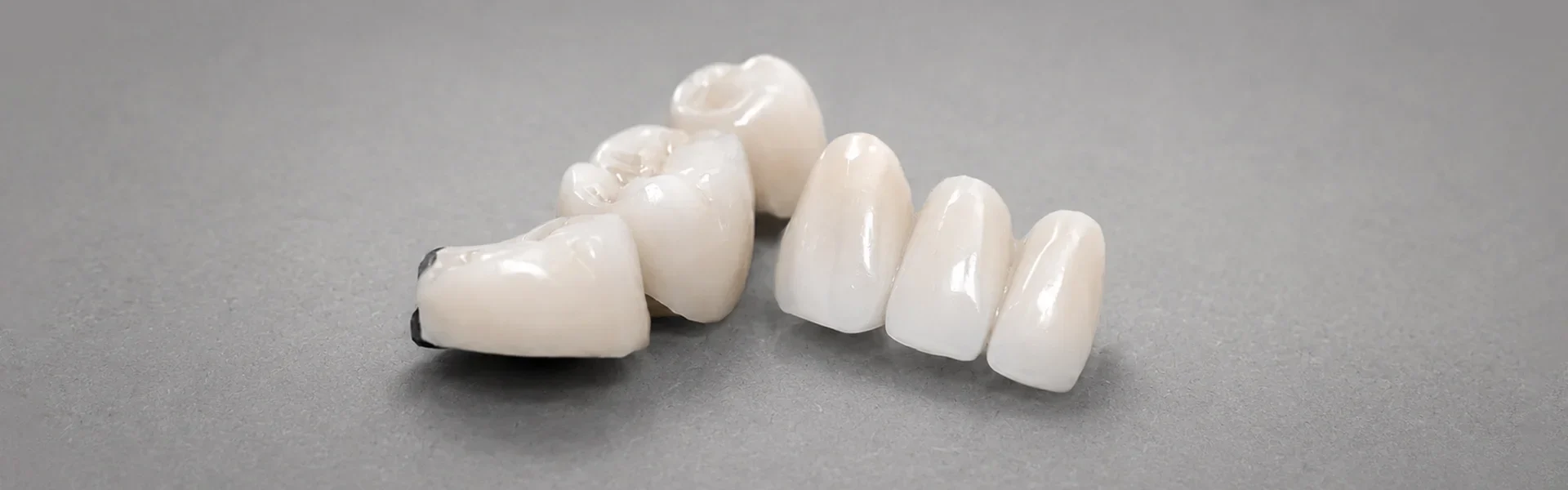
Veneers vs Crowns – All You Need to Know!
Everyone wants a beautiful smile! Sometimes our teeth aren’t perfect – maybe they’re stained, a little crooked, or chipped. Luckily, dentists have special ways to help! Two popular choices are called veneers and crowns. They can make your smile look amazing. This blog will explain everything you need to know about veneers and crowns so you can decide what’s right for you.
What are Veneers?
Think of veneers like super-thin covers for your teeth. They are usually made of porcelain, which looks just like your real teeth. Veneers go on the front of your teeth and hide all sorts of things:
- Yellow stains that won’t whiten away
- Chips or cracks
- Small gaps between teeth
- Teeth that are a bit too small or the wrong shape
Veneers are like a fresh coat of paint for your smile, making it look bright and perfect!
What are Crowns?
Crowns are like little hats that fit over your whole tooth. They can be made of different things like metal, porcelain, or a mix of both. Crowns are super helpful when:
- A tooth is really broken down or has a big cavity
- You’ve had a root canal, and your tooth needs extra protection
- A tooth is weak and needs to be stronger
- You’re missing a tooth and have a dental implant
Crowns make your tooth strong again and let you chew and smile without worry. They can even change the look of your tooth completely!
Key Differences – Veneers vs Crowns
Let’s break down the main differences between veneers and crowns to help you understand them better:
Tooth Coverage
Veneers only cover the front surface of your teeth, primarily for cosmetic changes. Crowns encase the entire visible portion of the tooth, providing both structural support and cosmetic improvement.
Tooth Preparation
Veneers require minimal tooth enamel removal, preserving more of your natural tooth structure. Crowns necessitate more significant reshaping of the tooth to accommodate their full coverage.
Durability and Lifespan
Crowns are generally more durable and can last for decades with proper care. Veneers are thinner and may need replacement after several years, depending on factors like wear and tear.
Purpose
Veneers excel at addressing cosmetic concerns like discoloration, chips, gaps, and minor misalignments. Crowns are primarily used for restorative purposes, protecting severely damaged teeth, supporting teeth after root canals, and replacing missing teeth with implants.
Porcelain Veneers vs. Crowns
Porcelain is a popular material for both veneers and crowns due to its natural tooth-like appearance and durability. These veneers offer a more conservative and aesthetically focused solution, while porcelain crowns provide greater strength and protection for compromised teeth.
Veneers vs. Crowns Cost
Crowns are typically more expensive than veneers. The cost difference is influenced by the materials used, the complexity of the procedure, and the dentist’s fees. Generally, veneers can cost between $800 to $2,500 while crowns start from $1,000 and go anywhere near $3,500.
Which Option Is Right For You?
The best way to know whether veneers or crowns are the right choice for you is to talk to your dentist! They can look at your teeth, understand what you want, and explain the best way to make your smile dreams come true.
Here are some things to think about when deciding:
Your teeth troubles
Are your teeth mostly healthy but not as pretty as you’d like? Veneers might be the way to go. Are your teeth weak, broken, or have big fillings? Crowns could be a better fit.
What you want your smile to look like
Do you want a small change or a total makeover? Your dentist will help you figure out the best way to get the smile you want.
Your budget
Dental work can cost a bit, so being honest about what you can spend will help your dentist pick the treatment that works best for your smile and your wallet.
The Process
Getting veneers or crowns usually takes a few visits to your dentist. Here’s a quick overview of what you can expect:
Veneers
- Talking to your dentist: You’ll discuss what you want to change about your smile. The dentist will make sure veneers are the right choice for you.
- Getting your teeth ready: The dentist will carefully remove a tiny bit of enamel from the front of your teeth to make room for the veneers.
- Making a mold: The dentist takes an impression (kind of like a gooey mold) of your teeth. This is sent to a special lab where your veneers are made just for you!
- Putting on the veneers: You’ll come back when your veneers are ready. The dentist will try them on, making sure they look great, and then bond them to your teeth.
Crowns
- Talking to your dentist: Same as with veneers, you’ll chat with your dentist about your goals and make a plan.
- Getting your tooth ready: The dentist reshapes your tooth more than they would for a veneer. This makes sure the crown fits perfectly.
- Temporary crown time: You get a temporary crown to wear while your permanent one is being made at the lab.
- The final crown: Once your permanent crown is ready, you go back to the dentist, and they’ll cement it in place. Now you have a strong, beautiful tooth!
Conclusion
Whether you choose veneers or crowns, both can give you a smile you’ll love to show off! The important thing is finding a skilled dentist you trust to help you decide what’s best for your teeth and your goals. A bright, healthy smile can change how you feel about yourself. So, don’t be afraid to ask your dentist how a dazzling new smile might be possible for you!
If you’re ready to explore your options, schedule a consultation with A-Plus Dentistry today and get a professional’s advice!

Can Dental Implants Get Infected? What You Need to Know!
Dental implants have an incredibly high success rate, making them a fantastic choice for many people. However, like any medical procedure, there’s always a small chance of complications. One potential issue is an infection around the implant. Don’t worry – this is often treatable! In this blog post, we’ll dive into what you need to know about dental implant infections. So if you are wondering can dental implants get infected and how to cure them, find it out here!
Can Dental Implants Get Infected?
The short answer is yes, dental implants infection is a reality. While implants are designed to be long-lasting, infections can happen due to various factors. It’s important to be aware of this risk. Thankfully, there are ways to prevent infections and treat them if they occur. Understanding the signs and symptoms of a potential dental implant infection is crucial for protecting your smile.
What is Peri-Implantitis?
Dental implants are a fantastic way to replace missing teeth, but it’s important to know that they aren’t completely immune to problems. One potential issue that can arise is called peri-implantitis. This is an infection that develops around a dental implant. Peri-implantitis is similar to gum disease (periodontitis) which affects natural teeth.
However, instead of your gums and the bone around your tooth is compromised, the infection targets the tissues and bone supporting your dental implant. If left untreated, peri-implantitis can lead to bone loss and eventually cause the implant to fail. Catching and treating the infection early is crucial to protecting your investment and ensuring your dental implant remains strong and healthy.
Signs and Symptoms of a Dental Implant Infection
Dental implant infections don’t always announce themselves with flashing lights. However, there are several red flags to watch out for. If you have a dental implant, stay alert for these potential signs of trouble:
Redness and Swelling
The gums around your implant may look red, inflamed, or swollen. This is often one of the first signs of infection.
Bleeding
Brushing and flossing near the implant might cause bleeding. Healthy gums shouldn’t bleed easily.
Feeling Loose
A stable implant should feel just like a natural tooth. If it starts feeling loose or wobbly, it could indicate infection and bone loss.
Pus or Bad Taste
You might notice pus near the implant or a persistent bad taste in your mouth. These are telltale signs of bacterial activity.
Pain or Discomfort
While some tenderness after implant placement is normal, ongoing pain, throbbing, or discomfort around the implant site could signify an infection.
Causes of Dental Implant Infections
Understanding what causes dental implant infections can help you take proactive steps to protect your smile. Some of the most common risk factors include:
Poor Oral Hygiene
Just as insufficient brushing and flossing can lead to gum disease, poor oral hygiene increases the risk of infection around your dental implant. Bacteria can build up and eventually attack the gums and bone.
Smoking
Smoking is a major enemy of oral health in general and can significantly increase your risk of implant infections. It also hinders healing and makes it harder for your body to fight off infection.
Uncontrolled Medical Conditions
Conditions like diabetes can weaken your immune system and leave you more vulnerable to infections, including those around dental implants.
Pre-existing Gum Disease
A history of gum disease (periodontitis) puts you at higher risk of developing peri-implantitis.
Issues with Implant Placement
If the dental implant surgery isn’t performed properly, or the implant isn’t the right size or position, this can create areas more prone to infection.
Treating Dental Implant Infections
The good news is that dental implant infections can often be treated successfully, especially if caught early. The sooner you seek treatment from your dentist, the better your chances of preserving the implant and preventing further damage. Here’s what you need to know about treatment options:
Importance of Early Intervention
Don’t wait to see if the symptoms go away on their own. If you suspect an infection around your implant, schedule an appointment with your dentist right away.
Treatment Varies Based on Severity
Your dentist will assess the severity of the infection and recommend the appropriate treatment plan. Here’s a look at potential treatment options:
1) Professional Deep Cleaning
For milder cases, a thorough cleaning around the implant might be enough to control the infection. This involves specialized tools to remove bacteria and plaque buildup from below the gumline.
2) Antibiotics
Your dentist may prescribe antibiotics to help fight the infection, especially if it has spread further.
3) Surgical Intervention
In severe cases where bone loss has occurred, surgery might be needed. This could involve cleaning the implant surface, bone grafting, or other procedures to address the damaged areas.
4) Implant Removal
In the worst-case scenario, if the infection is too extensive and the implant can’t be saved, removal might be necessary.
Preventing Dental Implants Infections
Preventing infections around your dental implants is all about proactive care! The best way to protect your smile is by practicing excellent oral hygiene – brushing twice a day, flossing daily, and paying close attention to cleaning around your implant.
Regular dental checkups from renowned clinics such as A-Plus Dentistry and cleanings are also essential for catching any problems early. Manage any underlying health conditions, and if you smoke, quitting is one of the best things you can do for your implant health (and overall health!).
Conclusion
Do dental implants get infected? The answer is yes. An ounce of prevention is worth a pound of cure – this holds especially true for dental implants. Taking excellent care of your implants with meticulous brushing, flossing, and regular dental checkups significantly reduces your risk of infection. Staying informed and proactive gives you the best chance at a long-lasting, healthy smile.

Full Mouth Dental Implants Cost – All You Need to Know!
Missing teeth can be a serious problem, affecting not just how you eat but also the way you smile and feel about yourself. According to the World Health Organization, over 7% of individuals over the age of 20 and 23% of people over the age of 60 have completely lost their teeth. While there are solutions like dentures and bridges, full mouth dental implants are widely considered the gold standard for restoring your complete smile. They offer unparalleled stability and a natural appearance that feels like your own teeth.
However, we understand that this premium solution comes with a significant cost. This blog post aims to shed light on full mouth dental implants cost, so you can make informed decisions about your oral health.
What Are Full Mouth Dental Implants?
Full mouth dental implants offer a comprehensive and permanent solution for replacing an entire arch (or both arches) of missing teeth. This advanced treatment involves placing small, screw-like posts made of titanium into your jawbone. These posts act as artificial tooth roots, providing a stable foundation for various restorations.
Over time, the titanium implants fuse with your jawbone in a process called osseointegration, creating an incredibly strong and secure base. Once healing is complete, a connector piece called an abutment is attached to each implant.
The final step is choosing the restoration that best suits your needs. For full mouth implants, your options include individual crowns (best when replacing most or all teeth), implant-supported bridges (which replace several teeth in a row using fewer implants), or implant-supported dentures (a secure and comfortable alternative to traditional dentures).
Full mouth dental implants are designed to function and look just like your natural teeth, restoring your ability to eat, speak, and smile with complete confidence.
Why Would Someone Need Full Mouth Dental Implants?
There are several scenarios where full mouth dental implants may be the best solution for restoring a complete smile. Some of the most common reasons include:
Severe Tooth Decay or Damage
When extensive decay or damage has compromised many of your teeth, extraction, and replacement with full mouth implants can offer a fresh start and a healthier smile.
Advanced Gum Disease (Periodontitis)
This serious infection can damage the gums and bone supporting your teeth. If left untreated, it can lead to widespread tooth loss, necessitating full mouth implants for restoration.
Injury or Trauma
Accidents and injuries can cause substantial tooth loss. Full mouth implants can restore your smile and function after such events.
Ill-Fitting or Uncomfortable Dentures
If you struggle with traditional dentures that slip, cause discomfort, or restrict your diet, implant-supported dentures can provide a life-changing upgrade in both stability and comfort.
Full Mouth Dental Implants Cost – What Impacts the Price?
The cost of full mouth dental implants can vary significantly, and understanding the factors that influence the price will help you plan and budget accordingly. According to a few sources, full mouth dental implants can cost roughly around $3,000 – $6,000 for a single arch. Here’s a breakdown of the key elements:
Number of Implants
The more implants you need to support your restorations, the higher the cost will be.
Bone Grafting
If your jawbone is too thin or weak to support implants, a bone grafting procedure may be necessary before implant placement. This adds to the overall cost.
Type of Restoration
- Individual implants with crowns: This is the most expensive option but provides the most natural-looking and feeling result.
- Implant-supported bridges: These replace several teeth using fewer implants, making them a more affordable choice.
- Implant-supported dentures: This option typically offers the most budget-friendly solution.
Materials
Implants themselves can be made from titanium or zirconia. Choice of material for your crowns (porcelain, zirconia, etc.) or denture base will also affect the price.
Dentist’s Experience and Location
The expertise of your implant dentist and the geographic location of the practice can impact the fees charged. If you are in search of a clinic that offers affordable full mouth dental implants with top-quality service, consider booking an appointment at A-Plus Dentistry.
Are Full Mouth Dental Implants Worth It?
Dental implants undoubtedly represent a substantial financial investment. However, it’s crucial to weigh the costs against the remarkable long-term benefits they offer:
Fully Restored Function
You’ll regain the ability to eat the foods you love without restrictions or discomfort. Implants function just like your natural teeth, allowing for a strong bite and natural chewing.
Prevention of Bone Loss
When you lose teeth, the underlying jawbone begins to deteriorate. Dental implants stimulate the jawbone, much like natural tooth roots, helping to prevent bone loss and preserving your facial structure.
Longevity
With proper care, dental implants can last a lifetime. This contrasts with alternatives like dentures or bridges, which typically need replacement every few years.
Improved Confidence and Quality of Life
A restored smile can transform your confidence and how you feel about yourself. Full mouth implants allow you to smile, speak, and laugh without hesitation, positively impacting your social interactions and overall well-being.
Conclusion
While the cost of full mouth dental implants is high, the investment often translates to a lifetime of improved oral health, restored function, and a renewed sense of confidence. If you’re considering this life-changing solution, consult with an implant dentist from a renowned clinic such as A-Plus Dentistry for a personalized assessment and accurate cost estimate.

Why Are Dental Implants Expensive? Find Out The Truth!
According to the American Academy of Implant Dentistry, over 3 million people in America have dental implants and this number is growing by 500,000 annually.
Missing teeth can seriously impact your confidence, your ability to eat the foods you love, and even your overall health. Dental implants are often hailed as the gold standard for tooth replacement, but their cost can be a real sticker shock. If you’ve wondered, “Why are dental implants expensive?”, you’re not alone. Let’s break down the truth behind the cost of dental implants.
Why are Dental Implants So Expensive?
The price tag for dental implants might leave you wondering what makes them so costly. Unlike a simple filling or crown, implants are a premium tooth replacement option. But the truth is, a lot is going on beyond the price of the implant itself. Let’s uncover some key factors that make dental implants expensive, starting with the fact that getting a dental implant isn’t a quick, one-and-done procedure.
The Implant Procedure
Here’s the implant procedure that makes dental implants so expensive:
Planning and Preparation
Your dentist carefully plans where the implant will go. They use special pictures (X-rays) and sometimes even a 3D model of your mouth. This makes sure the implant fits perfectly.
Bone Grafts (If Needed)
Sometimes, the bone in your jaw isn’t strong enough to hold the implant. If so, you might need a bone graft to make your jaw stronger. This adds another step and makes it cost more.
Implant Placement
This is the main part! The dentist puts the tiny titanium post (the implant) into your jawbone with a special surgery.
Healing Period
You need to wait a few months for the implant to become part of your bone. This can’t be rushed!
Abutment Placement
This is a small connector piece. The dentist attaches it to the implant that’s now stuck in your bone.
The Final Touch
The last step is getting your new tooth! It could be a crown, a bridge, or even dentures. All of these are made to look just like your real teeth.
High-Quality Materials
Dental implants aren’t just a simple piece of metal. They’re designed to last forever, and the materials reflect that:
The Implant
Titanium is the star here. It’s strong, biocompatible (meaning your body won’t reject it), and bonds well with your bone resulting in an ideal osseointegration process.
The Abutment
This connecting piece between the implant and crown is also highly durable and biocompatible.
The Restoration
The crown, bridge, or denture that becomes your visible tooth must be custom-made for a perfect fit and a natural look
These premium materials play a crucial role in why dental implants are so expensive in the US as well.
Expertise Makes Dental Implants Expensive
Dental implant placement isn’t a procedure every dentist performs. It requires specialized training, advanced technology, and years of experience. Here’s why that cost factors into your dental implant investment:
The Implant Surgeon
Often an oral surgeon or periodontist, they have advanced training specific to implant placement.
The Restorative Dentist
Responsible for designing and fitting your final restoration.
The Dental Team
Dental assistants and hygienists play vital roles throughout the process.
This team of skilled professionals is dedicated to making sure your implant is successful and looks great.
What Makes Dental Implants Worth It
At first, dental implants might seem a lot more expensive than other options like bridges or dentures. But there’s a catch! With bridges and dentures, you’ll likely need to replace them every few years. Dental implants, on the other hand, are built to last for decades. This means that, in the long run, dental implants could actually save you money!
Plus, think about how they’ll change your life. With dental implants, you can eat whatever you want, smile, and speak without worry. They even feel like your real teeth! Implants also have another hidden superpower: they keep your jawbone strong and healthy, preventing problems that can happen after you lose teeth.
When you add up the cost of replacements, special cleaners, and the amazing benefits implants offer, they often end up being the smarter choice for both your wallet and your overall health!
If you are in search of a clinic that provides premium dental implant solutions, you should consider A-Plus Dentistry as they offer flexible financing options allowing you to make the best decision without hurting your wallet. Book an appointment today!
Conclusion
So why are dental implants expensive? The process involves skilled professionals, advanced technology, and long-lasting materials. While the initial cost might feel high, consider the long-term value and the life-changing impact they can have. Investing in dental implants is often an investment in your overall health and well-being!

Do Dental Implants Last Forever? What You Need to Know!
For people considering dental implants, one question they usually ask is, “Do dental implants last forever“? Dental implants are structures installed into an individual’s jawbone that act as permanent teeth replacements.
According to a study conducted by the National Institute of Health, a 95% success rate is seen for dental implants over the course of 10 years, making them a long-term solution. In this article, we will cover how long do dental implants last and what are the factors that lead to their failure. We will also touch upon the best practices to ensure dental implants last close to forever.
Do Dental Implants Last Forever?
Before we answer do dental implants last forever, let’s understand how dental implants work. Dental implants serve as a replacement for lost teeth. The installed structure consists of two parts: the implant itself, which is installed in the jawbone, and the crown, which is the prosthetic tooth attached to the implant.
For a dental implant to be installed, a hole is drilled into the jawbone where the implant is fixed. Dental implants are made to last forever as they are directly in contact with the bone and are permanently integrated with the surrounding bone tissue.
The average lifespan of the implant is 10-30 years, while the crown may need to be replaced every 15-20 years. Another study conducted by the NCBI on over 10,000 patients showed a 96% success rate over the span of 15 years. Given that most patients need dental implants in their late 50s, we can say that dental implants last forever in most cases.
Factors Affecting How Long Dental Implants Last
Note that the primary reason for dental implant failure is when the implant isn’t properly integrated with the surrounding bone tissue due to an interference in the healing process. Here are some factors that cause this:
Improper Installation or Negligence
The dentist in charge of the implant may have failed to properly diagnose the gum and jawbone, leading to improper implant installation. Moreover, wrong implant positioning, such as installing the implant at the wrong level or placing it too close to adjacent teeth, also leads to dental implant failure in the long run.
Lastly, poor-quality implant or crowns installed by the dentist is also a probable reason for implant failure, which shows the doctor’s negligence.
Improper Care and Maintenance
Sometimes, the fault may lie at the receiver’s end. Unhealthy lifestyle choices are also a major reason why dental implants don’t last forever. Excessive drinking of alcohol is a commonly identified issue. Since alcohol dehydrates your body and mouth, it leads to bacteria buildup, ultimately causing gum diseases and implant failure.
Smoking stains teeth and leads to gum diseases, which can cause dental implant failure. Unhealthy eating habits, such as chewing on hard foods like ice, nuts, and candy, can also cause movement in the implant location, leading to a damaged implant. Sugary foods and foods high in acid are considered bad as they deteriorate the enamel on the crown and result in implant failure, too.
Lastly and most importantly, poor oral hygiene is a leading cause of dental implant failure. Irregular brushing and flossing leads to gum diseases and is a contributing factor to a damaging dental implant.
Trauma and Accidents
Unforeseen events like accidents can dislocate or seriously damage the implant, leading to its failure. Moreover, bad habits such as teeth grinding and using your teeth as tools shift the implant position, leading to infections and, ultimately, implant failure.
Health Conditions and Insufficient Bone
The reason for a failed implant may be an underlying health condition that remains unattended and directly hinders the implant healing process. This can be a gum infection or a density issue. Additionally, insufficient bone is another issue that makes implants unsuccessful in a short period. Since implants are directly installed into the bone, it is very important to have a strong bone structure that supports the implant.
How to Make Dental Implants Last Longer?
As everyone knows how long does dental implants last, let’s talk about some best practices to lengthen the lifespan of the implant and lead a happy life:
Choose the Right Dentist
Choosing the right dentist is one of the most crucial factors determining how long dental implants last. Choose a doctor who is adequately trained, has hands-on experience with implants, and can provide a guarantee of service. The right dentist also guides you on the best implant type suitable for your case and always disregards poorly designed implants.
If you are searching for a reliable dentist with professional experience installing implants, and that too at an affordable price, A-Plus Dentistry is a great option.
Implement Proper Hygiene
Simple dental hygiene, such as brushing your teeth two times a day and flossing them once a day, can drastically increase the lifespan of your dental implants. It is also good practice to brush your teeth every time you eat something very sweet so bacteria don’t stand a chance.
Avoid Unhealthy Habits
As mentioned above, alcohol consumption and smoking lead to dental implant failure. To mitigate this risk, try to completely avoid or at least cut down on these substances as they directly hinder the implant healing process. Additionally, avoid unhealthy eating habits such as chewing on hard foods and consuming excess of sugary foods. Maintain a balanced diet that is good for both your body and teeth.
Conclusion
So, do dental implants last forever? Yes, in most cases, but various factors such as proper installation, professional treatment, on-point maintenance and hygiene, and healthy consumption habits are in play. Remember that dental implants are a reliable and long-term solution to lost teeth, and proper maintenance and care are the keys to maximizing your investment.

Are Dental Implants Painful? (What to Expect)
Dental implant surgery is one of the most common and reliable methods of replacing missing a tooth. According to a study by Forbes, around 6% of Americans have implants now, with the number growing to 26% by 2026. But are dental implants painful and what can you expect when having one?
There are various factors influencing dental implant pain that we will address in this article along with ways of managing the pain most effectively. Moreover, we will also touch upon the advantages of dental implants and why choosing they are considered the best tooth replacement option.
Understanding Dental Implants
Dental implants are sophisticated dental devices that are designed to replace missing teeth and offer a long-term solution. These implants are mostly made from titanium that is implanted surgically into the jawbone of an individual. Once a dental implant is fitted, a prosthetic crown is installed a few months later that mimics the appearance of a real tooth.
Other teeth replacement options include dentures and bridges which are removable devices. These options do not offer a permanent solution to missing teeth and require regular maintenance, making them an unpopular option as compared to dental implants which offer a permanent solution.
Are Dental Implants Painful?
Patients often expect dental implants to be really painful given that they are directly implanted into the jawbone. However, they inflict very little pain compared to a tooth extraction process.
The installation process is itself a painless procedure since the patient’s mouth is numbed using anesthesia before drilling the hole into the jawbone and making the implant. Mild pain may be experienced after the implantation process once the numbness wears off. The level of pain is minimal given that the surgeon does an expert job and carries out the procedure perfectly.
However, patients may feel an increased level of discomfort if the implantation is not done properly or an infection has developed in the area of the implant. It is advised to perform a full mouth checkup to look for any signs of improper implant or infection.
How painful are dental implants can be found by the position of their installation where pain can be felt in the cheeks, chin, or sometimes under the eyes. Most patients rarely feel any considerable pain after the implant and proper care can alleviate that as well.
How to Reduce Pain and Discomfort After Dental Implants?
Preventative measures should be taken when individuals experience pain after dental implants to ensure that the pain does not elevate. Mostly, dentists prescribe medicines that help relieve pain with common medicines such as Tylenol and Advil. Apart from that, patients may turn to over-the-counter pain relievers to experience instant pain relief. Home remedies such as keeping ice packs near the mouth can also give relief.
It is crucial to exercise care in what patients eat since it can contribute to pain in the newly implanted dental tooth. Avoid eating hot, spicy, and crunchy foods for the first 10-14 days to ensure a smooth recovery.
Rinsing the mouth regularly with warm water and maintaining good oral hygiene with light brushing are extremely important to reduce pain and experience a speedy recovery. It is advised to follow every guideline that your dentist has recommended and practice any additional care if needed.
What is the Recovery Timeline for Dental Implants?
In case of proper implantation and no signs of infection, recovery for dental implants can take up to 2 weeks provided that proper homecare is done. After two weeks, even if the implant feels tender to the touch, the pain is almost gone. The dental implant continues to heal and after 3-6 months it gets completely bonded with the jawbone.
Advantages of Dental Implants
One of the greatest advantages of dental implants is that they offer a long-term solution for missing teeth, unlike other tooth replacement methods such as dentures and bridges. Thanks to sophisticated technology, dental implants are crafted most precisely which allows them to behave like natural teeth.
Timely dental implants help prevent bone loss since they bond permanently with the jawbone also keeping nearby teeth stable. Overall, dental implants improve the well-being of your dental health and make you smile naturally.
Conclusion
Now you know are dental implants painful and the ways to manage the pain effectively, ensuring a speedy recovery. Always make sure that you choose the best dentistry for your dental implants since it holds immense importance for your dental health.
A-Plus Dentistry has been providing premium dental implant services for the past few years and has been spreading smiles to thousands of faces. Contact them today to get an appointment scheduled for your dental implant or regular dental checkup. Moreover, always make sure to consult a dentist for any questions or concerns regarding your dental implant.